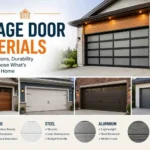
Imagine a freezing winter morning or a hot summer afternoon: you walk into a garage. There you feel right away that the room is the same as cold or as hot as the weather outside.
A cheap garage door lets cold or hot air leak inside, which makes your home heater or air conditioner work much harder to keep the next rooms comfortable. Buying a high-quality, insulated garage door is one of the easiest but most forgotten ways to lower your monthly electric bills. If you want a great energy-saving garage door in Cincinnati, upgrading your current door is the best way to save your hard-earned money.
A regular metal or steel door works like a bridge for weather, meaning it lets heat or cold pass straight from the outside air into your home. Without good insulation, the metal soaks up the burning summer heat or the freezing winter cold. It then pushes those harsh temperatures right into your garage and completely ruins your comfortable indoor air.
The rooms located right next to a hot or a cold garage suffer the most from weather effects. These rooms are normally your bedroom, which can be directly above it, or rooms right beside it. Your air conditioner has to work a lot harder to keep you warm or cool because of the Cold floors and freezing walls. This extra work done by your air conditioner increases your electricity bill and gas bill each month.
An R-value is a number that shows how well a material blocks heat from moving through it. Simply put, it tells you how strong your door is against the outside weather. A higher number means the garage door is great at stopping heat from coming inside during summer or escaping outside during winter. This keeps your home comfortable and your energy bills low.
Rigid foam insulation uses stiff foam boards placed right inside the door sections. It is a good, low-cost choice for homeowners who want basic protection against the weather. While it forms a strong wall against the cold and heat, these pre-cut pieces still leave tiny spaces where air can leak through.
Injected foam insulation is a liquid foam that expands to fill every tiny corner and space inside the door. This smart method gives you the highest protection against the weather, extra strength, and a quieter garage. When you buy insulated garage doors, picking injected foam gives you the best energy savings and a very tough door that will not dent easily.
Good garage door insulation is only half the answer when you want to stop energy loss. Even the thickest foam cannot keep your home comfortable if cold or hot air leaks through small cracks. A complete energy-saving system needs both a well-made door and tightly sealed edges to keep the bad weather out. When you’re ready to replace your old door with a high-performance energy-efficient model, our Garage Door Installation experts make sure everything is properly sealed and balanced for maximum savings.
The best way to stop cold air completely is to use strong rubber seals on the bottom and sides of the door. These flexible pieces close the open spaces between the door and the wall. They block strong winds, heavy rain, and outside air from leaking into your garage and raising your electric bills.
Special rubber strips are built directly inside the door between the outer metal side and the inner metal side. They stop heat or cold from traveling from the outside metal wall to the inside metal wall. This completely blocks the path of the bad weather and keeps the air inside your garage comfortable.
Saving energy matters a lot for homeowners living through the harsh weather in Southwest Ohio. From freezing, snowy winters to hot, sticky summers, your home deals with constant weather changes. Installing a high-quality, energy-saving garage door protects your home from these shifts, keeping the air inside your garage steady no matter how wild the local weather gets.
Protecting your home from the changing weather directly lowers your monthly electric and gas bills all year long. By choosing an energy-saving garage door, you build a strong wall that stops drafts and keeps heat from escaping. This easy upgrade gives your home heater and air conditioner a break, keeping your hard-earned money in your pocket. However, even the best energy-efficient door won’t save you money if your current garage door has broken springs, damaged tracks, or other issues. For expert garage door repair in Cincinnati, our experts at Garage Door Repairs and Install is here to help.
Buying an energy-saving garage door is more than just fixing up your house. It is a smart, long-term plan to lower your electric and gas bills. By learning about protection numbers, picking the right injected foam, and making sure your door has strong rubber edges and built-in weather barriers, you can completely block expensive drafts. Shielding your home from harsh summer heat and freezing winter cold keeps your rooms comfortable and stops wasting money. Upgrade your door today to enjoy real savings all year long.
Stop letting your garage waste your money. Get a new, energy-saving garage door today to block cold air, protect the rooms next to it, and give your heater and air conditioner a break. Call us now to set up your new door and start saving on your bills right away.